
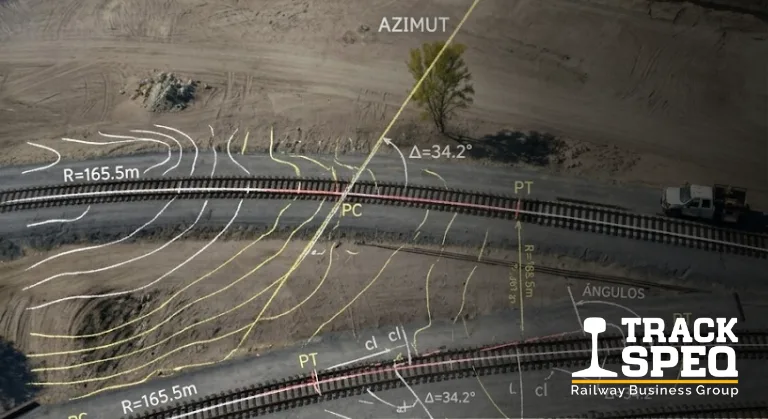
An industrial track can have new rail, ties in good condition and complete fastenings, and still perform poorly. Cars bind on the same curve, the railcar mover slips on the…
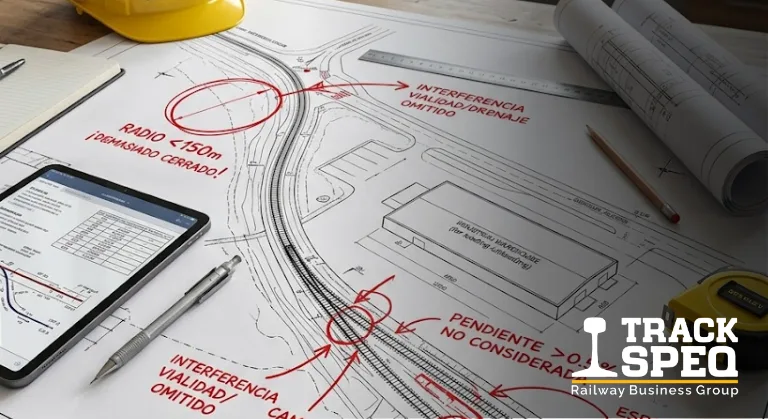
Industrial Railway Design: From Site Survey to Construction-Ready Engineering
An industrial railway project is decided on paper long before the first crew arrives. The length of the sidings, the radius of the curves, the grade of the yard and…
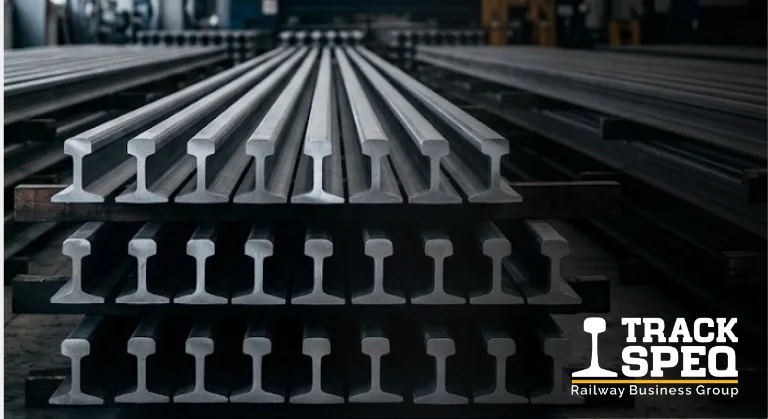
Railway Inventory Management: How Technology Solves Availability, Compatibility and Traceability
An industrial yard can come to a halt for many reasons, but few are as avoidable as this one: the component exists somewhere in one of the company's warehouses, but…
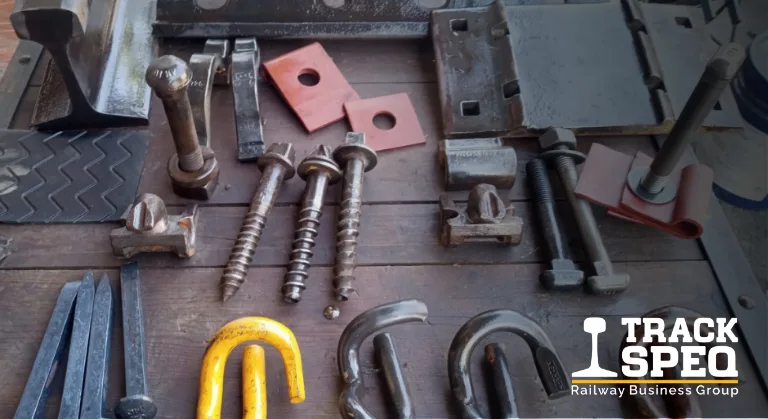
Technical Railway Procurement: Five Internal Mistakes That Raise Costs Before You Negotiate with a Supplier
When a railway material purchase ends up costing more than expected, the first question a director usually asks is the wrong one: did we choose the wrong supplier? In most…
Railway Machinery: The Equipment That Defines Cost, Schedule and Continuity in a Track Project
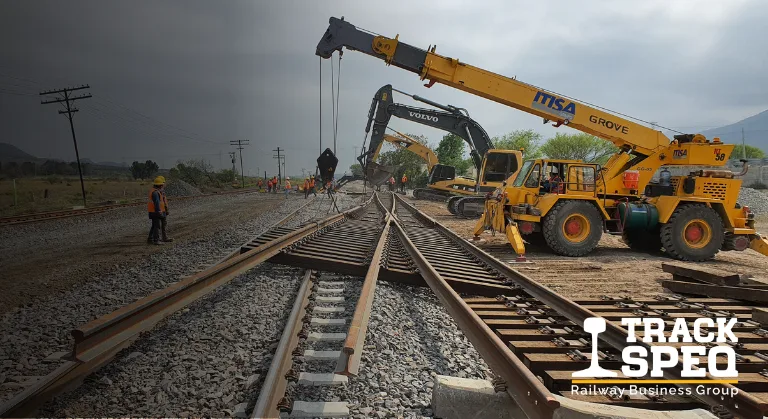
The first time a railway project falls behind for lack of equipment, the lesson is almost never recorded as "we were missing a ballast regulator" or "the tamper didn't arrive…
Railway Equipment for Industrial Plants
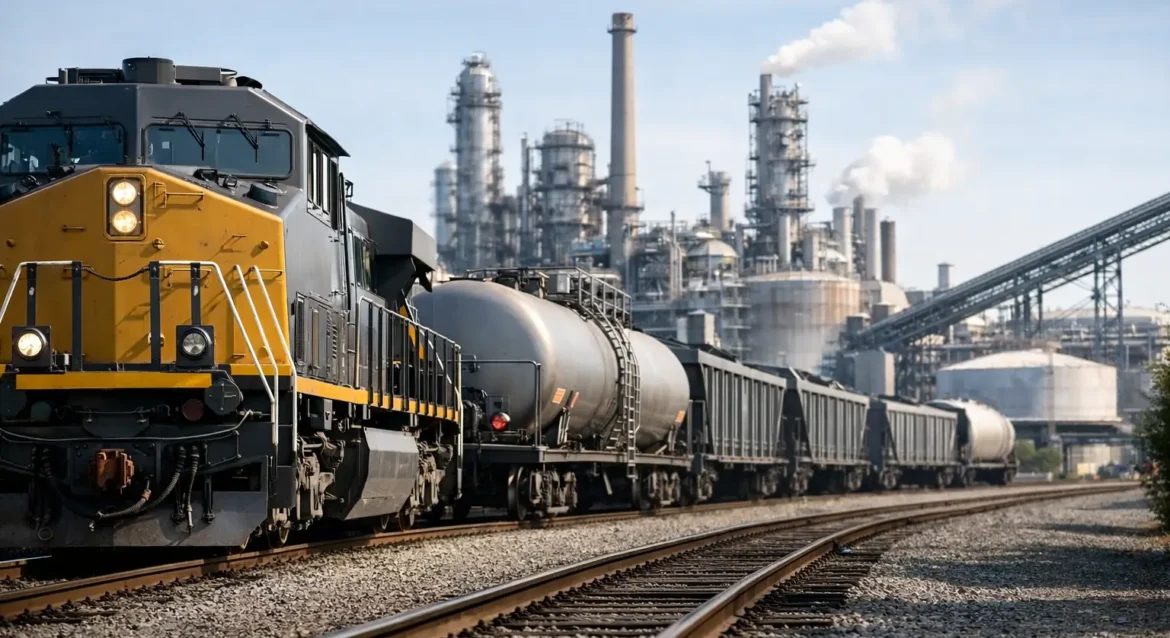
A plant can have its own track and still lose capacity every time it has to move a railcar. The problem rarely lies in a single component: it usually stems…
Rail Switching Control: The Oversight That Belongs to Management, Not Just the Yard
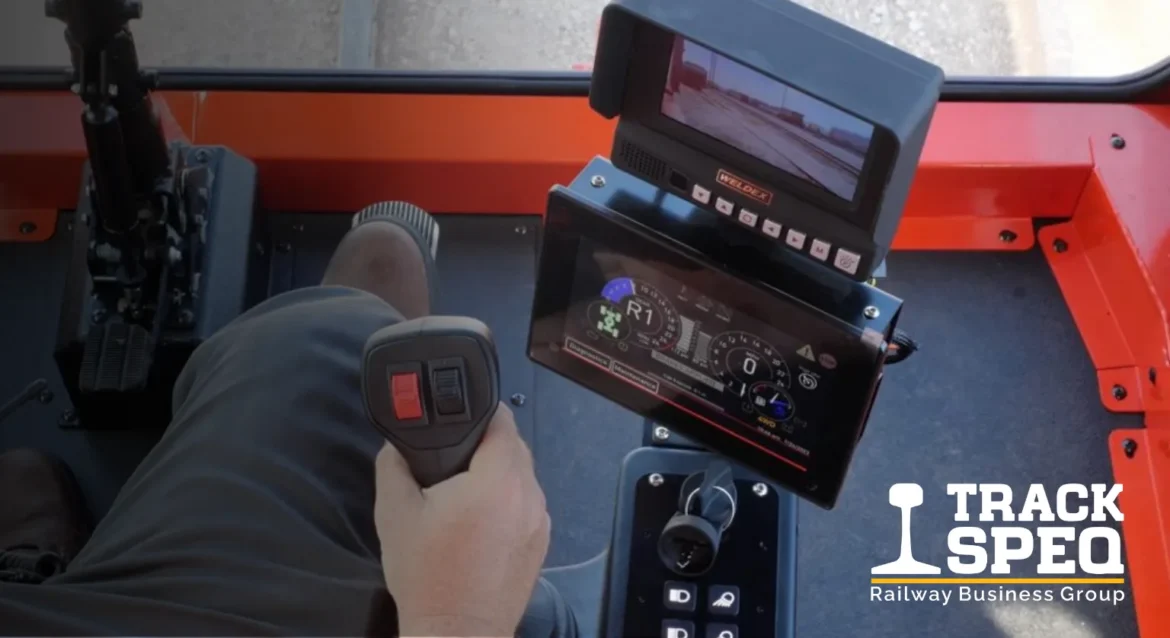
When a rail switching move goes wrong (a car that is not properly secured, a coupling that fails, a signal that is not confirmed), the first question the organization asks…
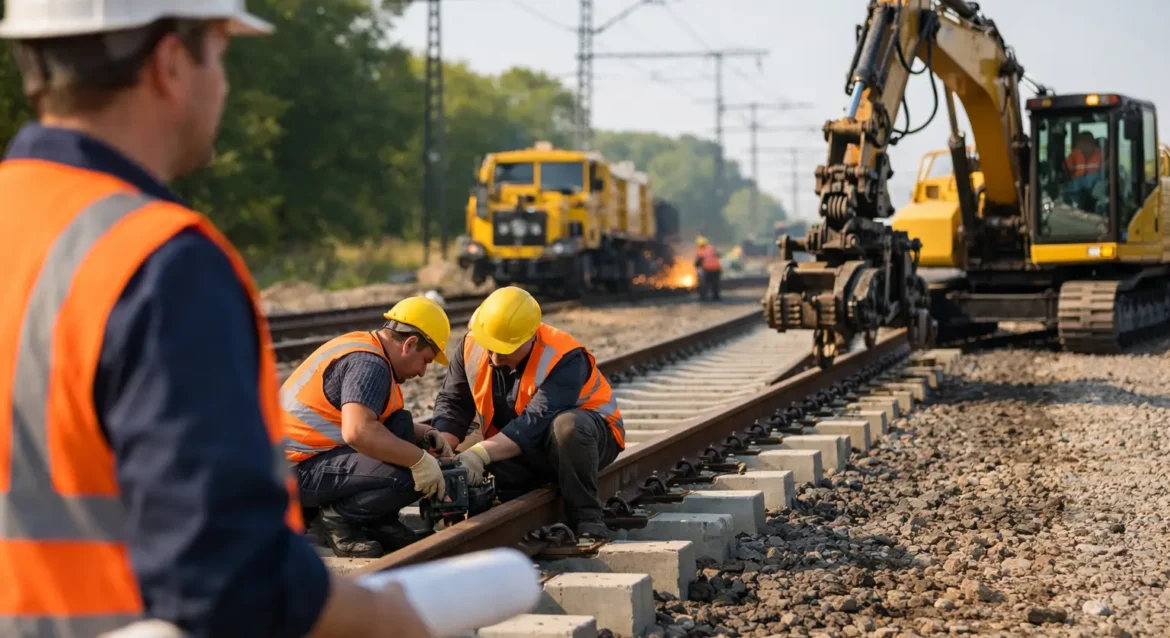
What Does Railway Rehabilitation Include?
A track with speed restrictions, recurring minor derailments, accelerated wear or areas of settlement does not just generate maintenance costs: it compromises the shipping capacity of the entire terminal. Understanding…
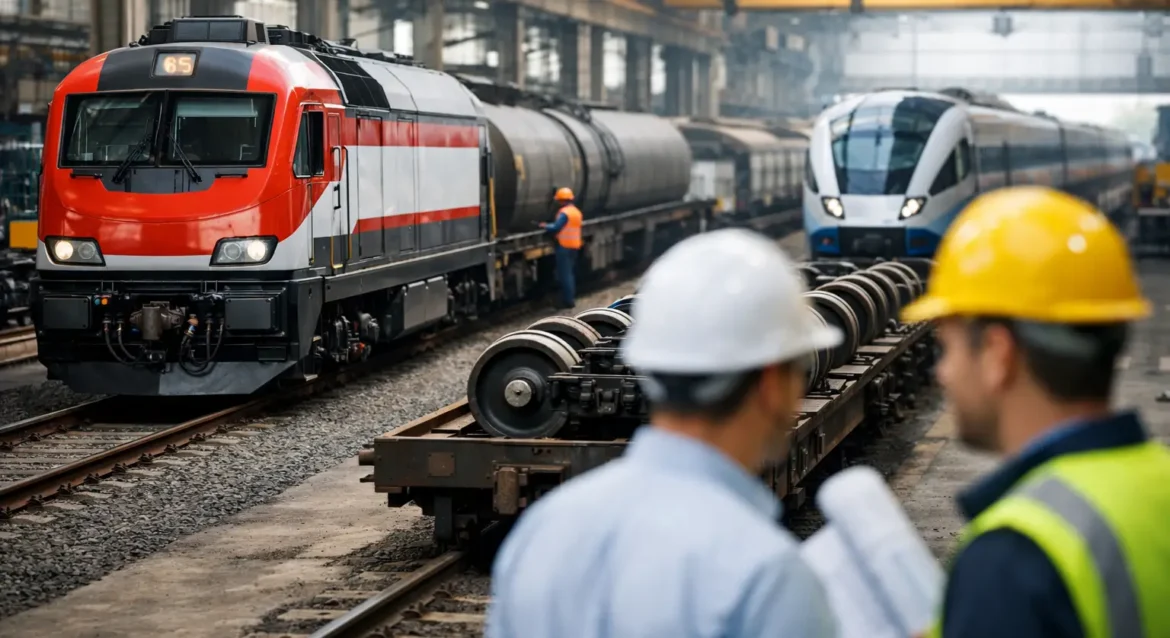
Full-Service Railway Supplier for Industry
A terminal can have freight, customers and production capacity, yet lose performance because of a degraded track, a slow switching move or a poorly managed permit. That is where a…
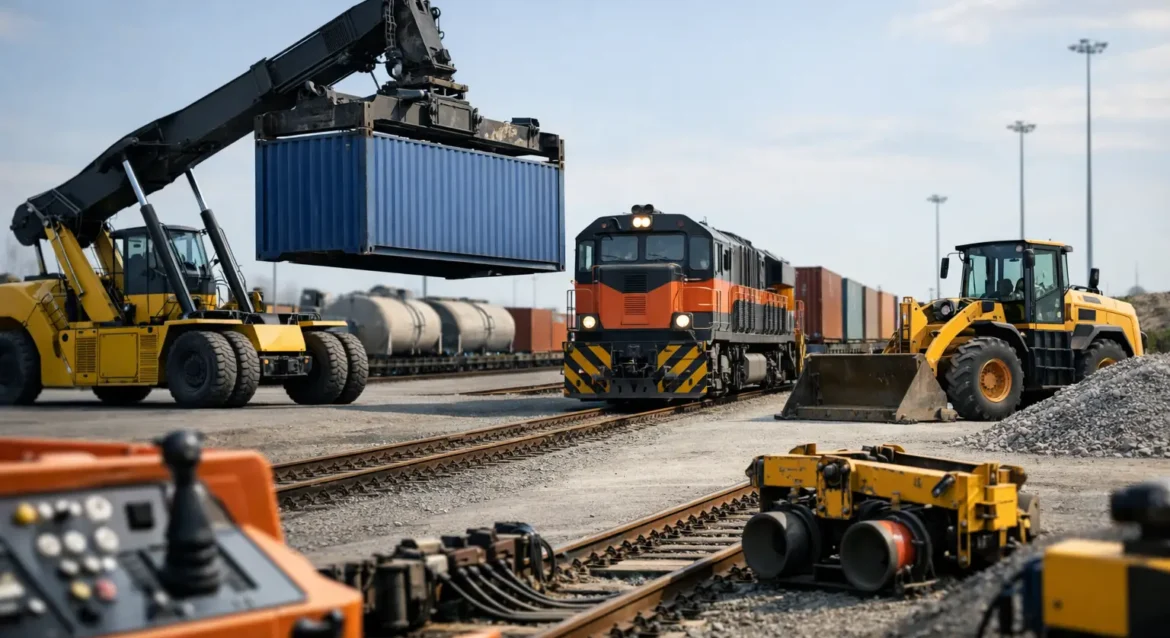
What Equipment Does a Rail Terminal Need?
A terminal does not fail only because of deteriorated track or a lack of locomotives. It can lose capacity because of a poorly designed switch, a scale with no operational…
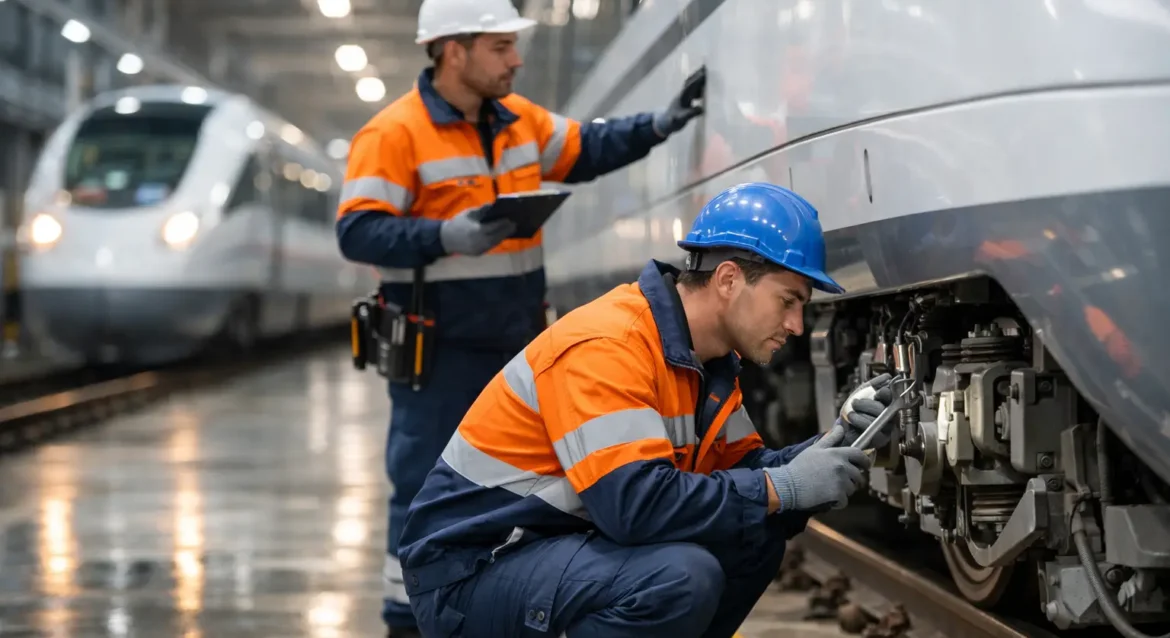
Railway Maintenance to Operate Without Downtime
A service track can seem operational until a switch fails to close properly, a tie loses its hold or a drainage problem degrades the roadbed. In an industrial terminal, these…
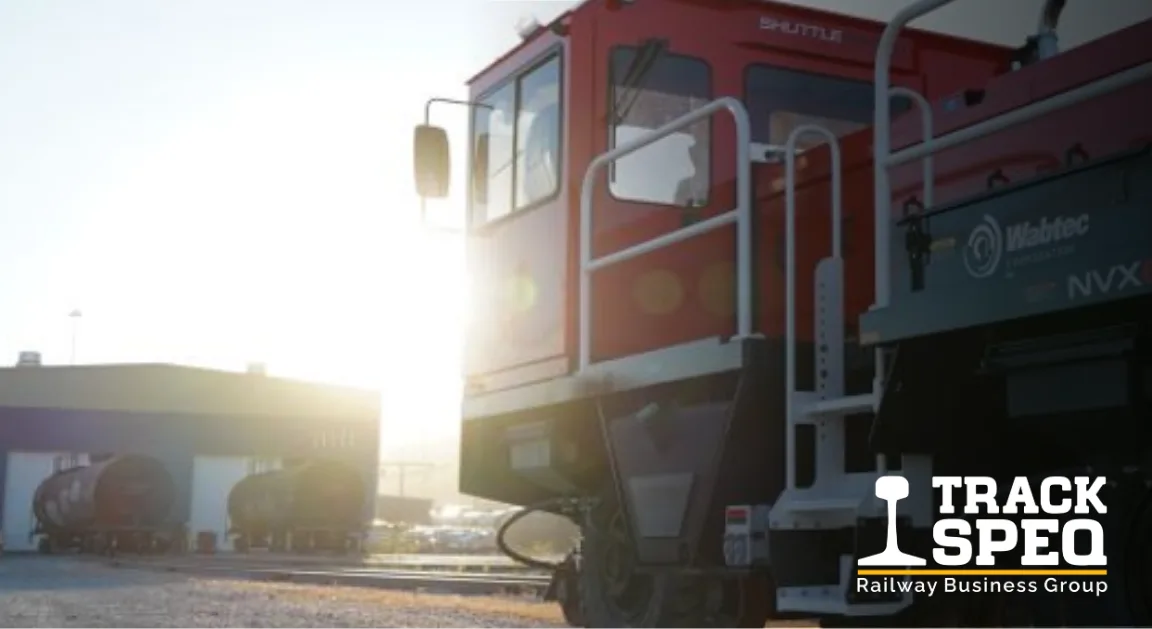
Railcar Mover: What Leadership Should Evaluate Before Approving the Investment
An industrial rail yard does not come to a halt because it lacks track. It comes to a halt because no one can move the cars that are already there.…
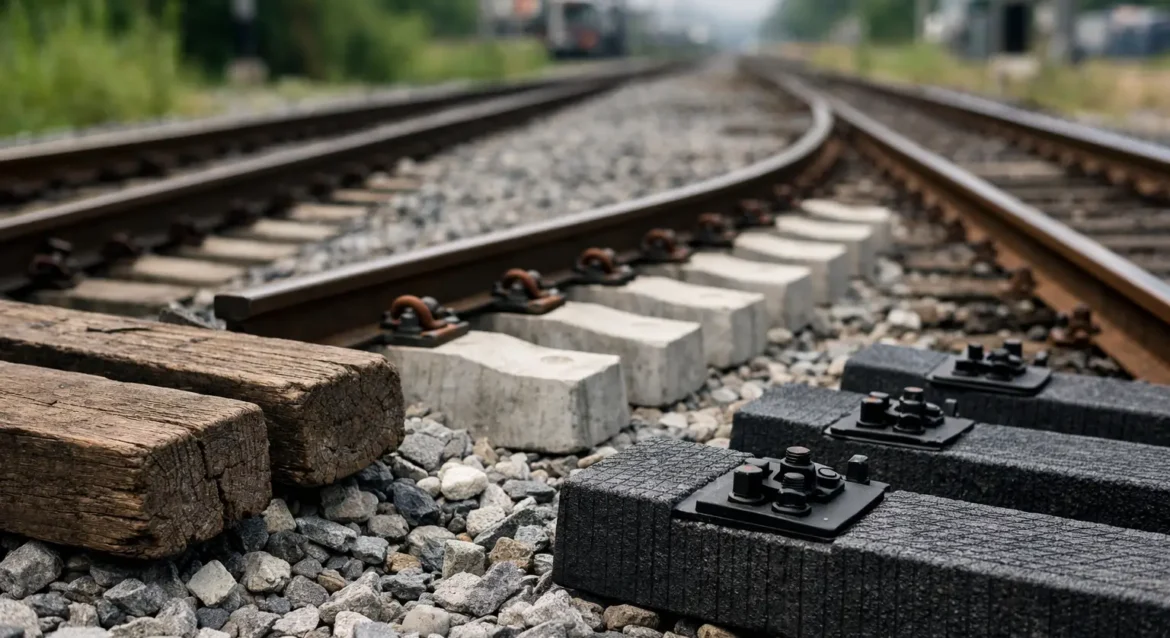
How to Choose Railroad Ties for Railway Track
An industrial track can appear stable until its geometry starts to degrade, the gauge shifts, or maintenance cycles shorten for no apparent reason. In many cases, the root cause is…
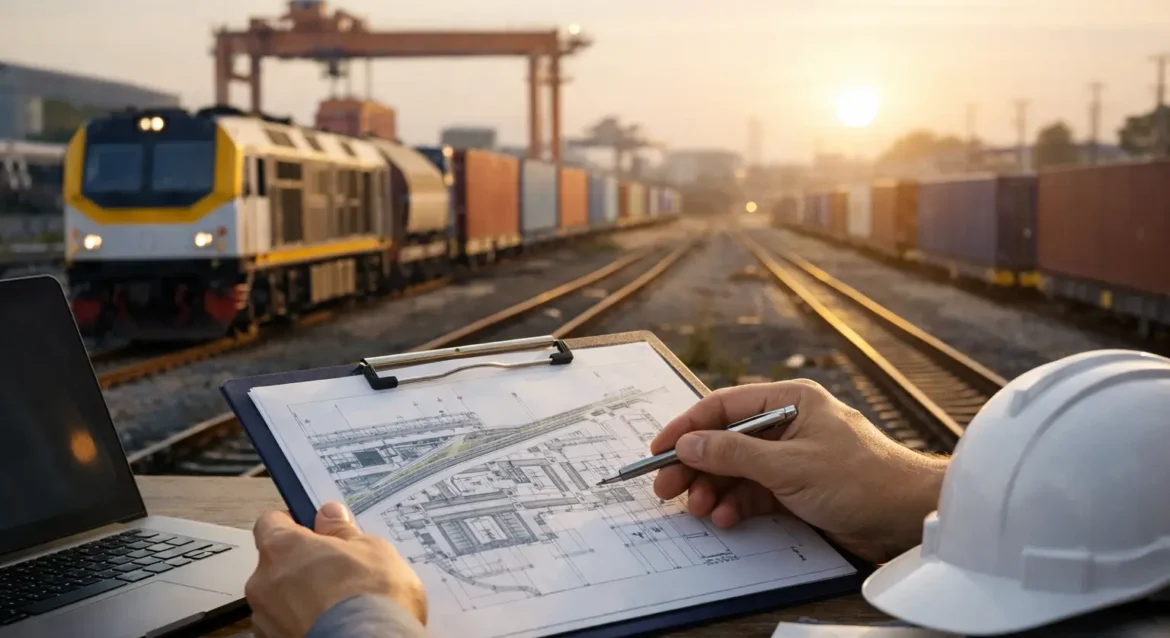
How to Plan an Efficient Rail Terminal
A rail terminal is not defined by the number of tracks installed, but by its real capacity to receive, classify, load, unload, and dispatch railcars without creating bottlenecks. For an…
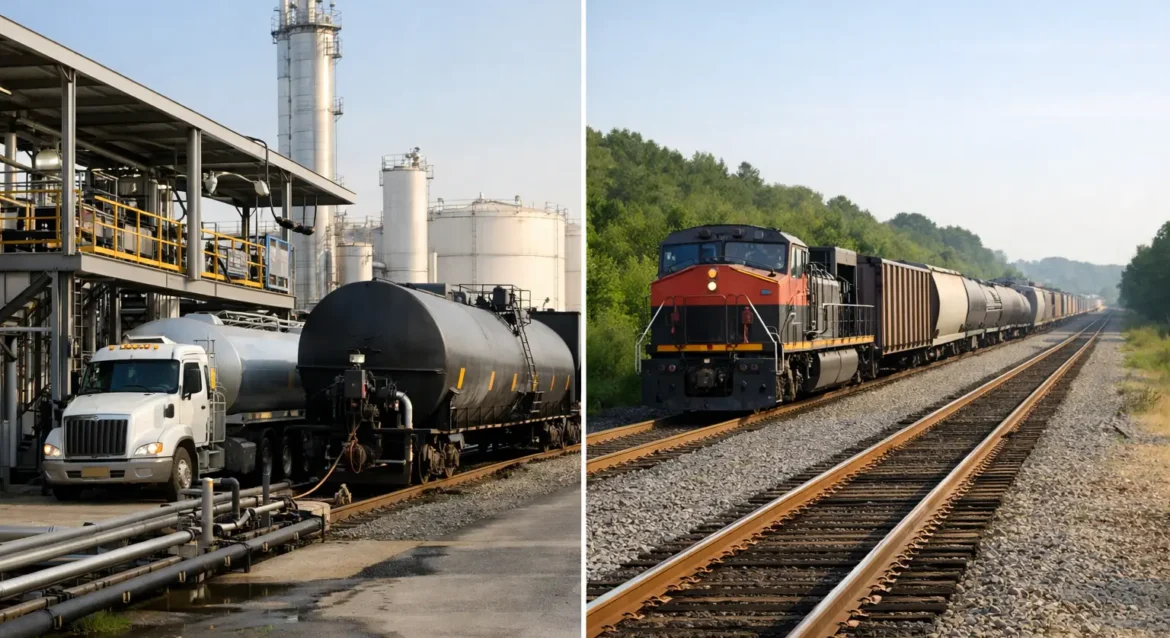
Transload Terminal or Private Spur: Which to Choose
The decision between a transload terminal or private spur is not settled just by comparing meters of track or initial investment. It defines how goods will enter and leave a…
How to Calculate Rail Terminal Capacity
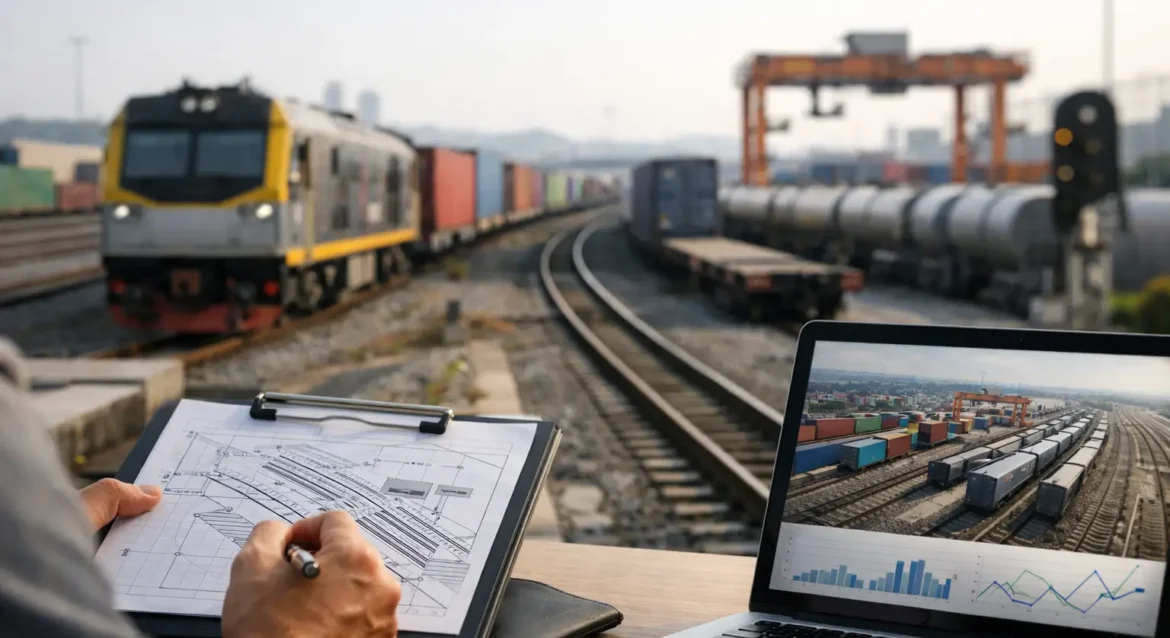
A terminal can have several kilometers of track and still lose capacity every day because of a poorly sequenced switching move, slow unloading, or an insufficient interchange window. Understanding how…
Guide to Rail Switching Yards
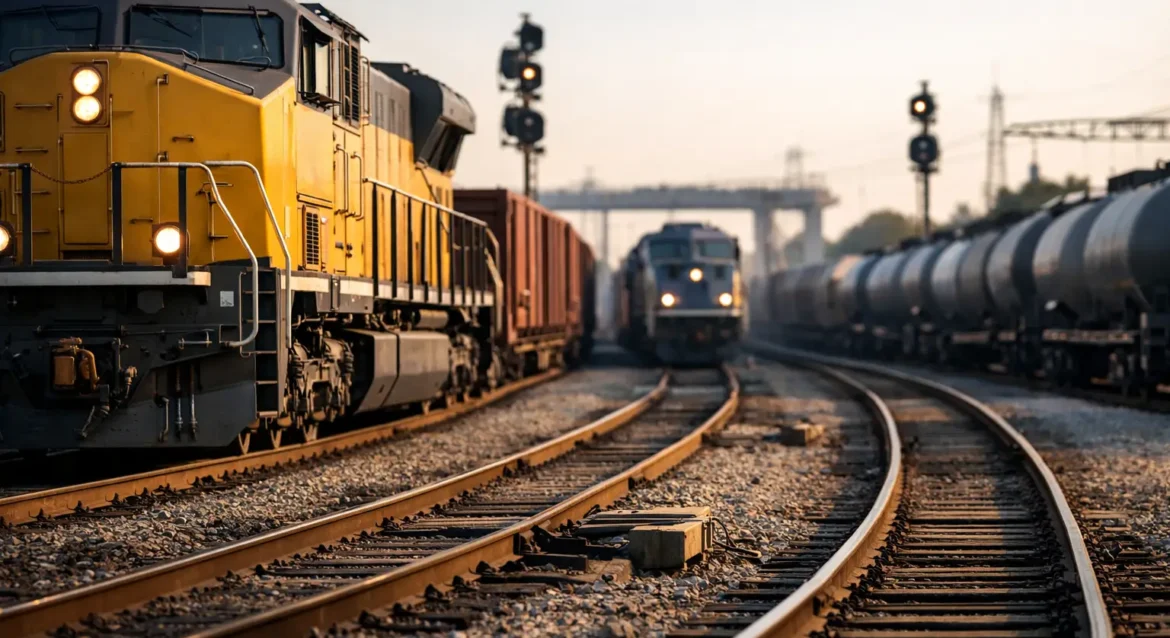
A poorly sized yard does more than slow down railcar movement: it can block shipments, increase waiting times, multiply switching moves, and compromise the safety of the entire terminal. This…
How to Design an Industrial Rail Yard
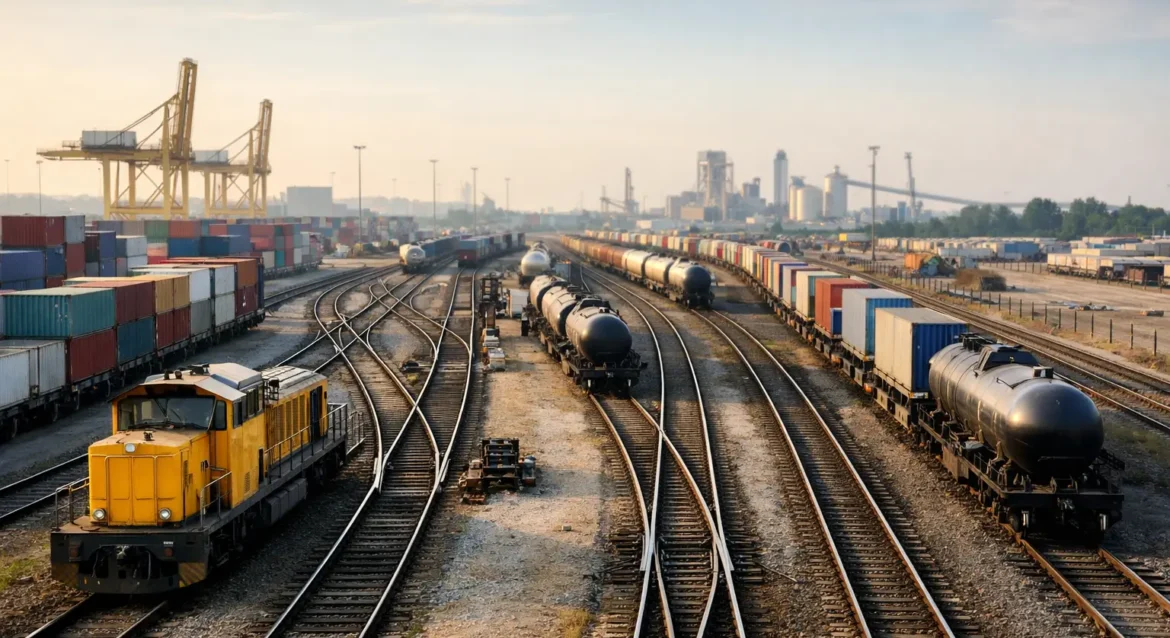
A poorly sized yard does not usually fail on its opening day. It fails when volume increases, cars pile up on the receiving track, a switching move blocks a critical…
Industrial Railway Corrective Maintenance
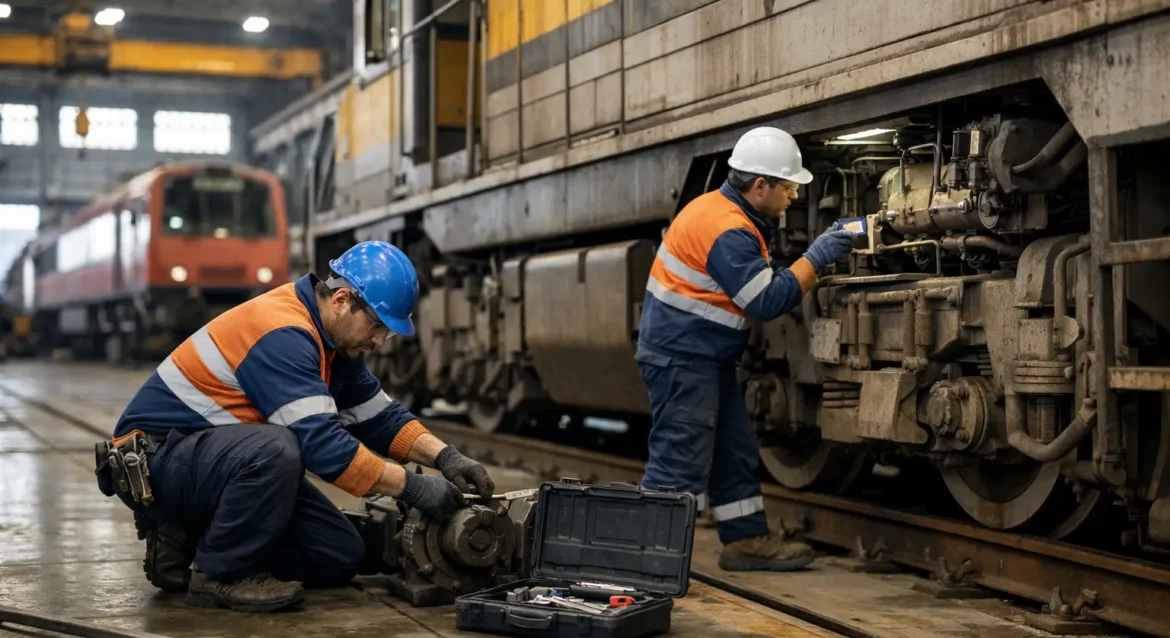
A switch point that does not close properly, a rail with an active crack, or a disabled piece of switching equipment are not isolated incidents: they can halt shipments, block…
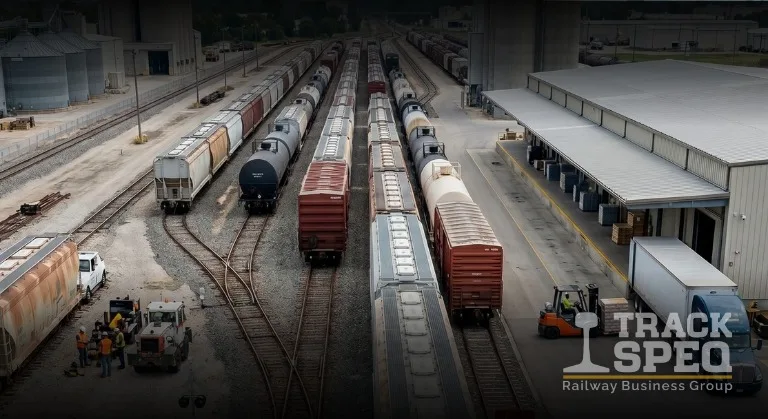
Industrial Rail Yard: Design, Operation, and Maintenance as an Integrated System
In an industrial plant with rail operations, the yard is not a support area. It is critical infrastructure. Every car that moves within it, every switching move performed, every section…
