
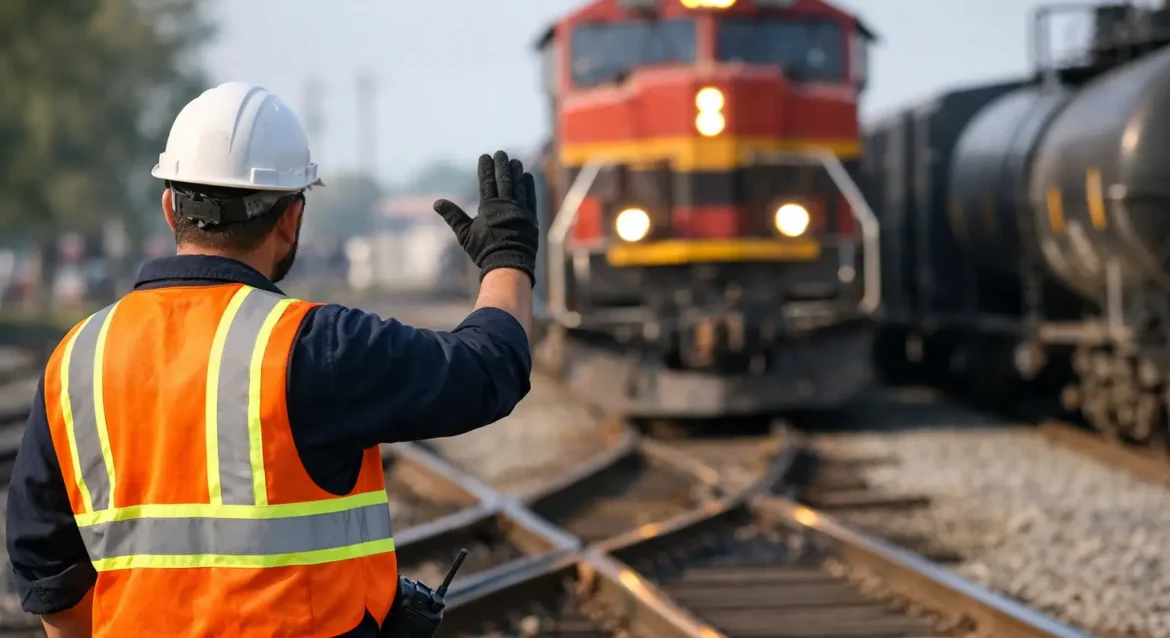
A poorly coordinated switching move can stop an industrial terminal for hours, compromise the integrity of equipment, and expose the workforce to avoidable risks. Rail switching best practices are not…
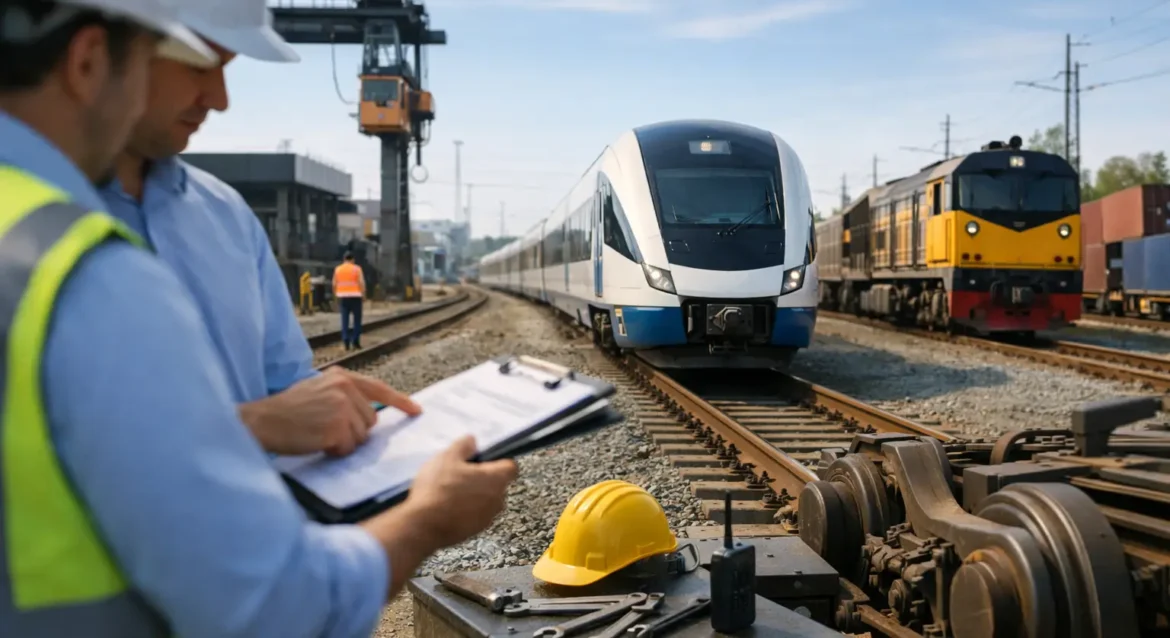
What a Full Railway Service Includes
A terminal can have cargo volume, access to a main line, and a solid growth plan, yet lose capacity because of a poorly designed turnout, an incomplete permit, or switching…
How to Reduce Rail Yard Delays
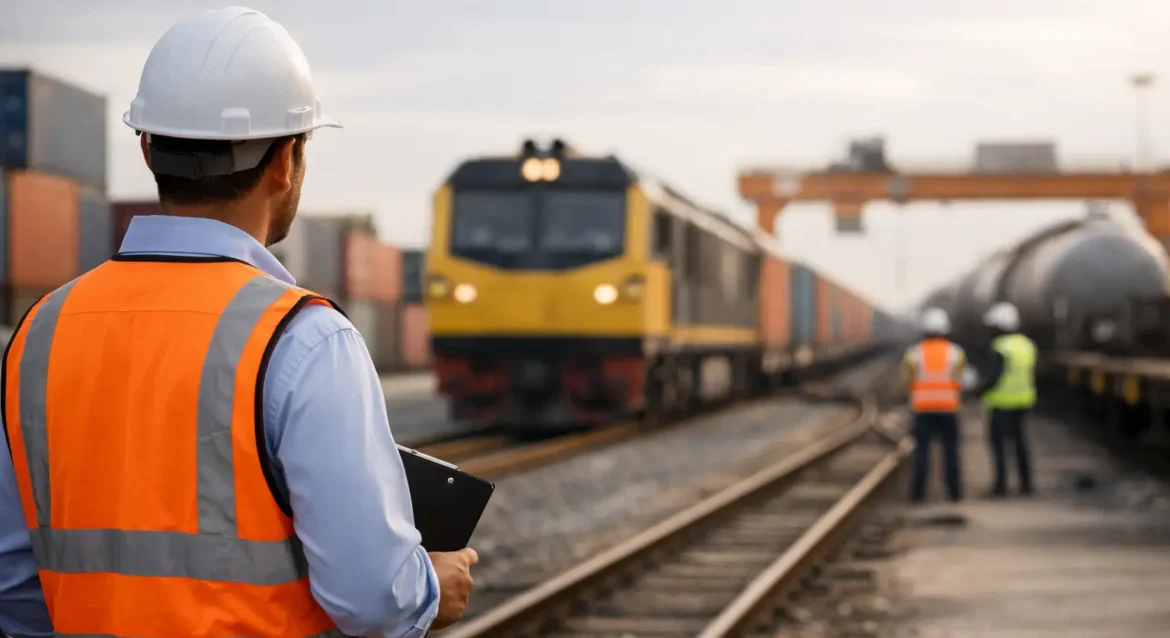
A rail yard can have enough track and still lose hours every day to a combination of poorly coordinated arrivals, unnecessary moves, slow switches and equipment out of service. Knowing…
Rail Transloading Best Practices
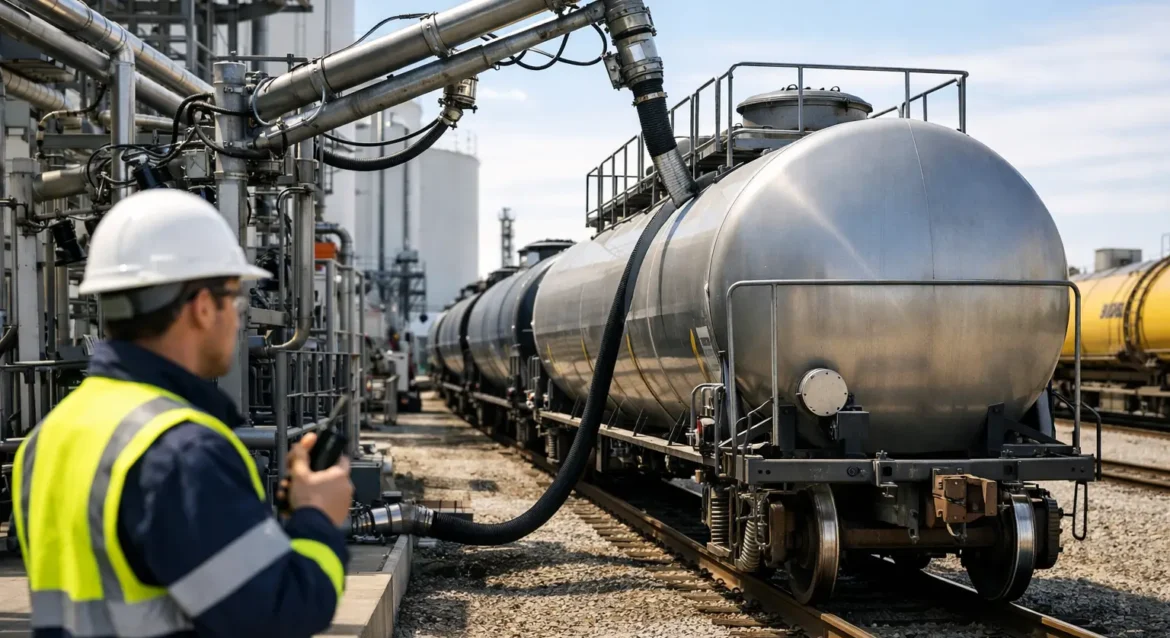
A transloading operation halted by a leak, misaligned hoses or an uncoordinated switching move can affect much more than a production shift. It can immobilize railcars, endanger people's safety, cause…
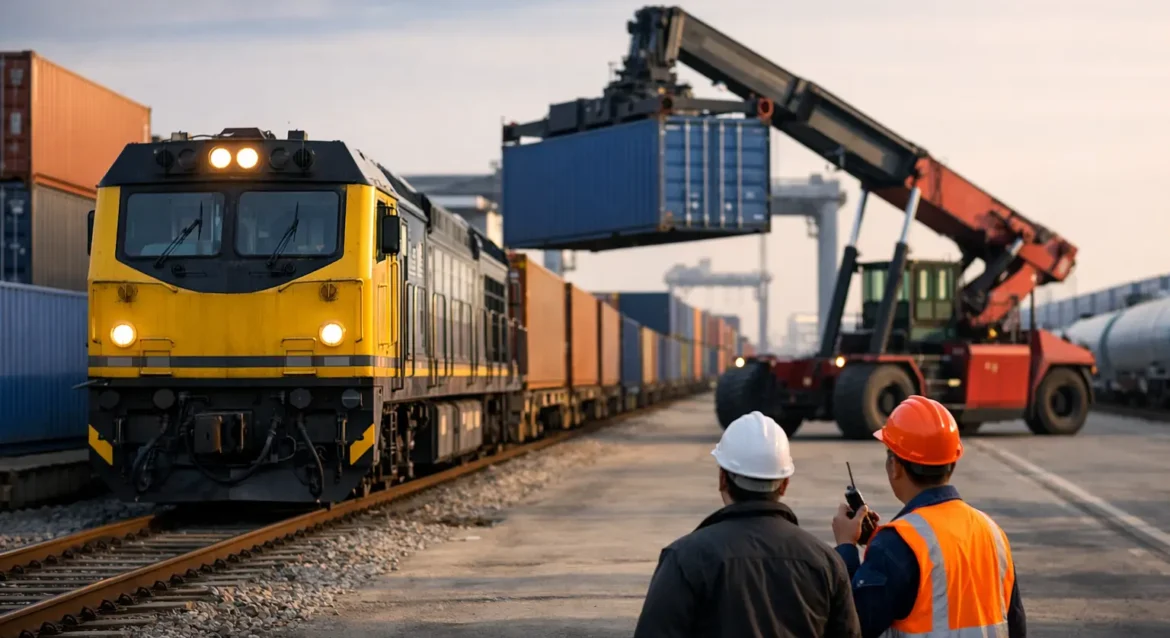
Rail Switching for Efficient Terminals
A railcar stopped at the wrong spot can delay a load, block an internal crossing and turn a planned operation into a chain of waits. Rail switching is the set…
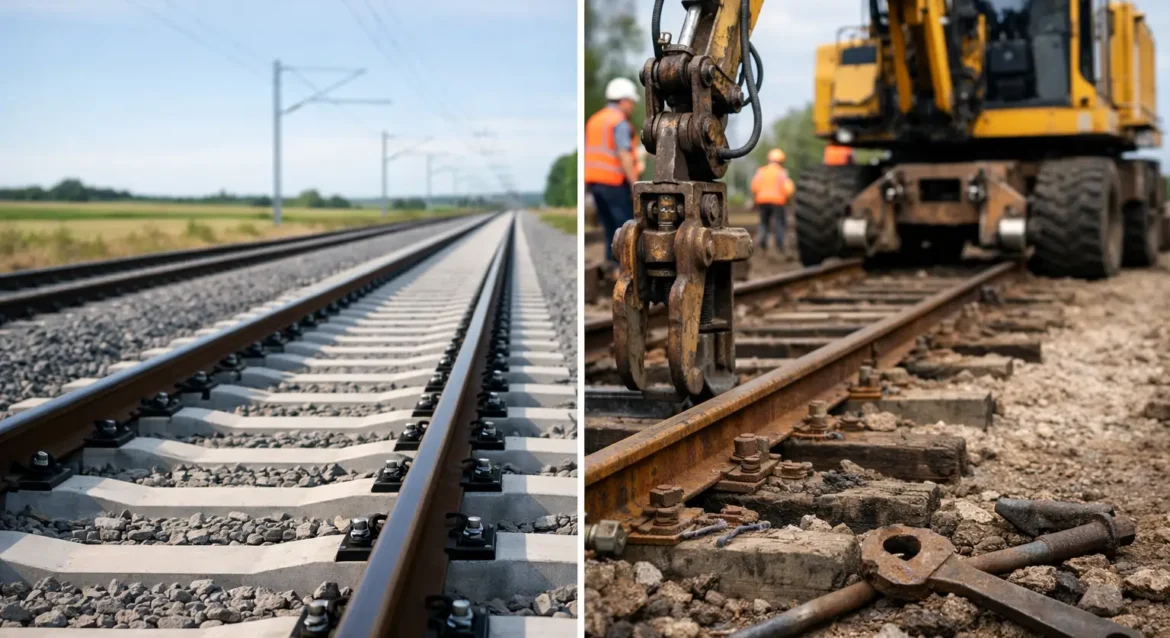
New Track vs Railway Rehabilitation
A track that forces you to cut back on switching, limit loads or make emergency repairs stops being an operating asset and becomes a source of cost and risk. In…

Rail Terminal Inspection Guide
A terminal can keep its tracks apparently operational and still accumulate conditions that end in speed restrictions, equipment damage, slow switching or downtime. A rail terminal inspection guide should turn…

Consulting for Industrial Railway Projects
An industrial terminal does not fail the day a switching move stops. It starts failing much earlier, when the railway project is planned on incomplete assumptions, poorly scheduled permits or…
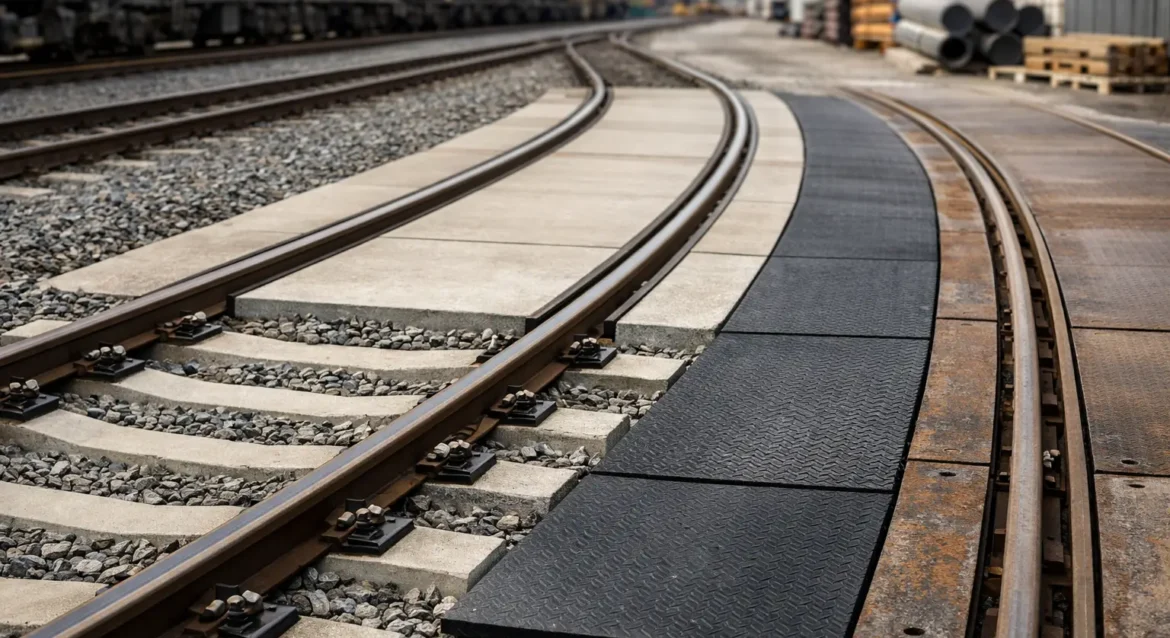
Best Materials for Industrial Tracks
When an industrial track fails, the problem rarely starts in operations. It starts much earlier, in the specification. Choosing the best materials for industrial tracks is not a matter of…
Sustainable Rail: How to Reduce Environmental Impact Through Infrastructure and Operations
Why Industrial Rail Sustainability Must Be Measured Across the Full Life Cycle Talking about sustainable rail requires going beyond a general comparison between trains and trucking. In industrial settings, reducing…
Railway Materials Purchasing Guide
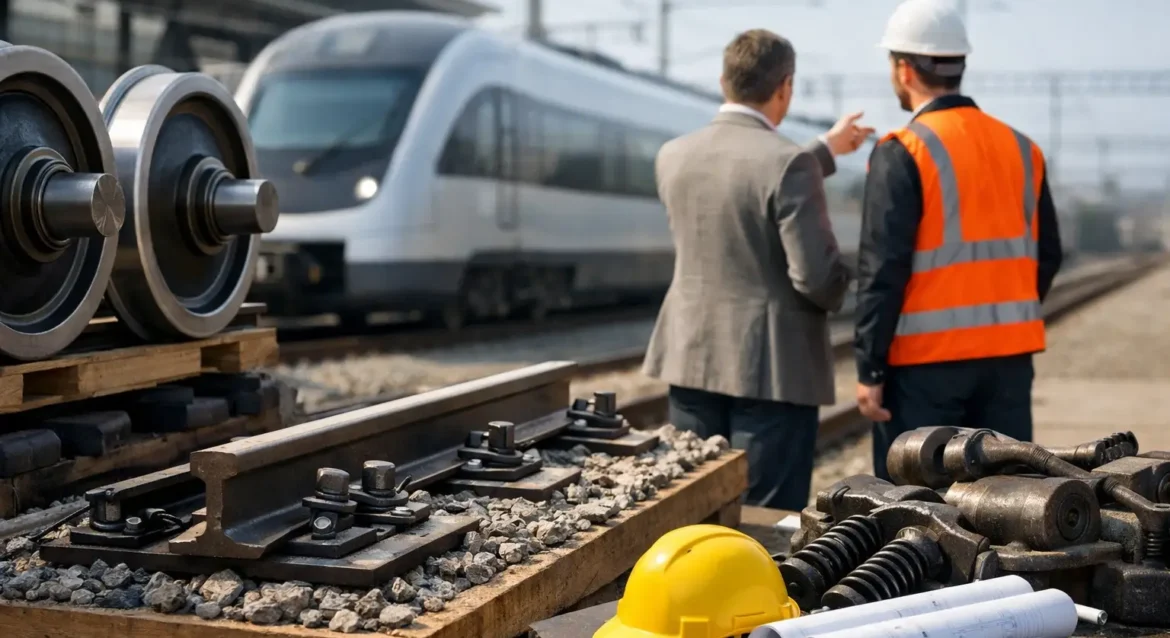
A useful railway materials purchasing guide does not start with the unit price. It starts with a more demanding question: what level of availability does your operation need, and what…

Guide to Choosing a Railway Supplier
Guide to Choosing a Railway Supplier When an industrial operation depends on rail, choosing the wrong supplier does not just create cost overruns. It causes shutdowns, switching delays, regulatory noncompliance…
How to Rehabilitate Industrial Railway Tracks
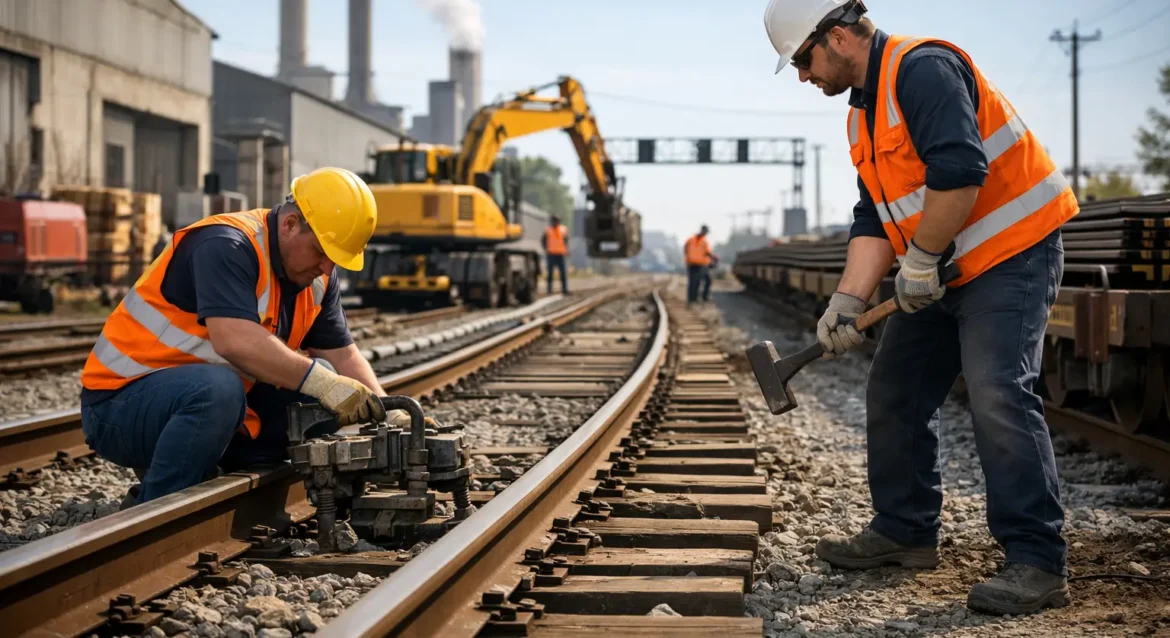
An industrial track rarely fails all at once. Very specific signs appear first: internal speed restrictions, minor derailments during switching, localized settlement, abnormal wear on turnouts or maintenance costs that…
Industrial Railway Compliance Guide
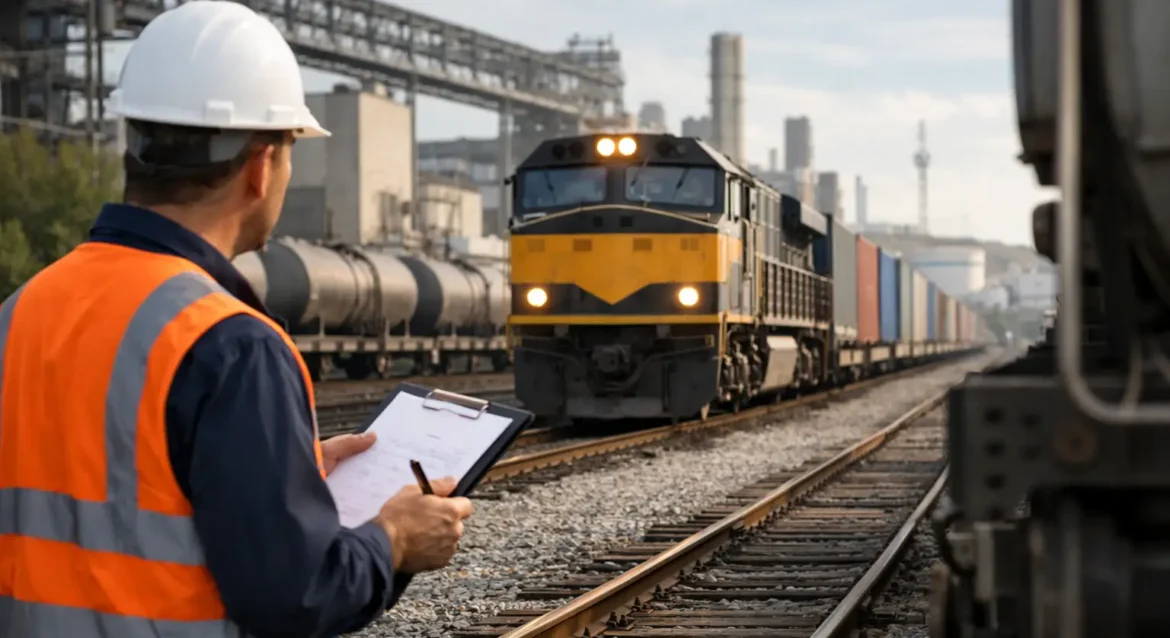
Industrial Railway Compliance Guide A terminal can have new track, switching equipment on hand, and growing logistics demand, but if it falls short on compliance, the operation is exposed. This…
How to Design a Rail Terminal the Right Way
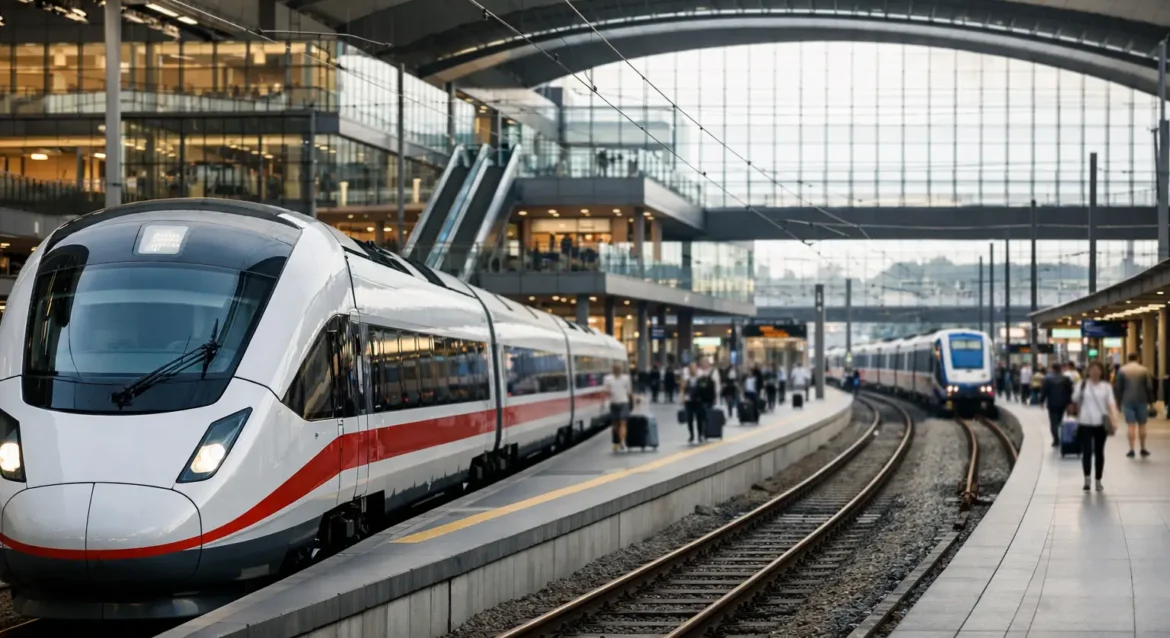
A poorly conceived terminal rarely fails on opening day. It fails six months later, when switching delays, unnecessary crossings, maintenance cost overruns, and track occupancy that prevents growth start to…
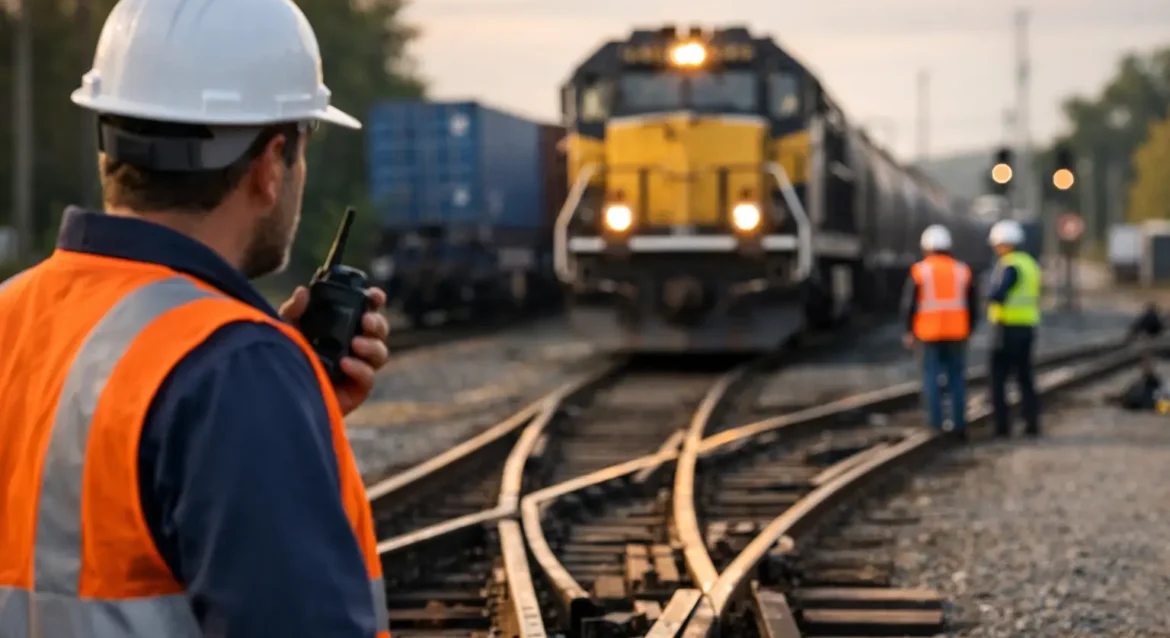
How to Reduce Rail Switching Delays
A switching move that runs 20 minutes late is rarely explained by a single cause. It is usually the sum of small bottlenecks: a turnout with poor geometry, a worn…
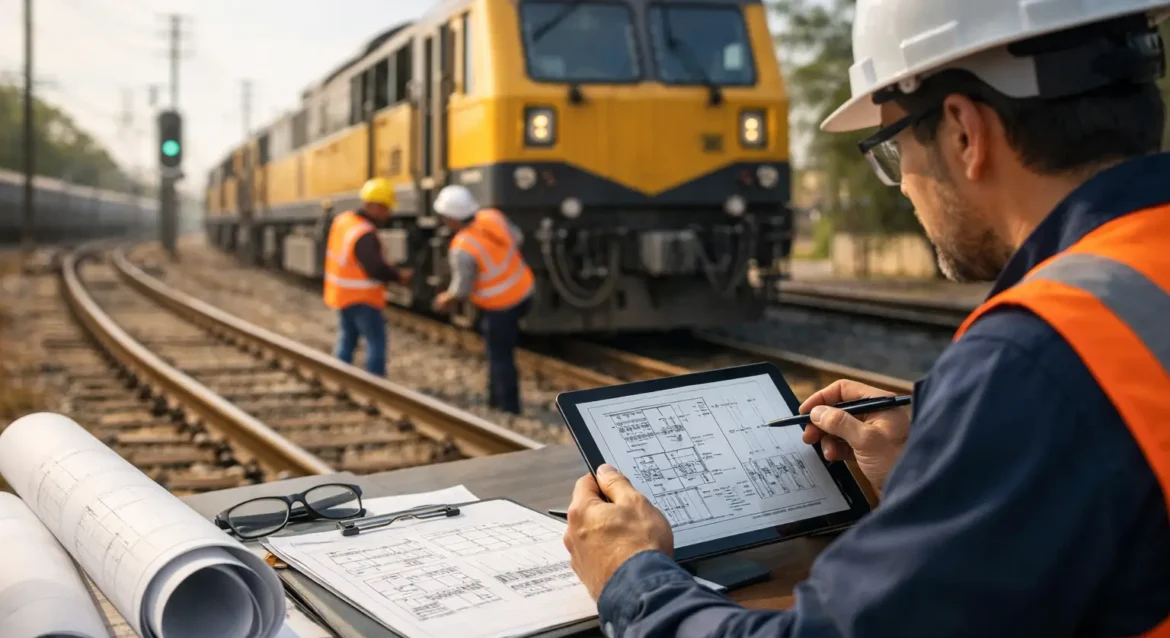
How to Plan Preventive Railway Maintenance
Track that fails rarely gives enough warning. What shows up first is an operating restriction, a slower switching move, a turnout that loses reliability, or wear that starts shifting cost…

How to Obtain Industrial Railway Permits
When an industrial railway project is delayed, it is rarely due to a single cause. Most often it is a combination of incomplete engineering, misinterpreted regulatory requirements, and a documentation…
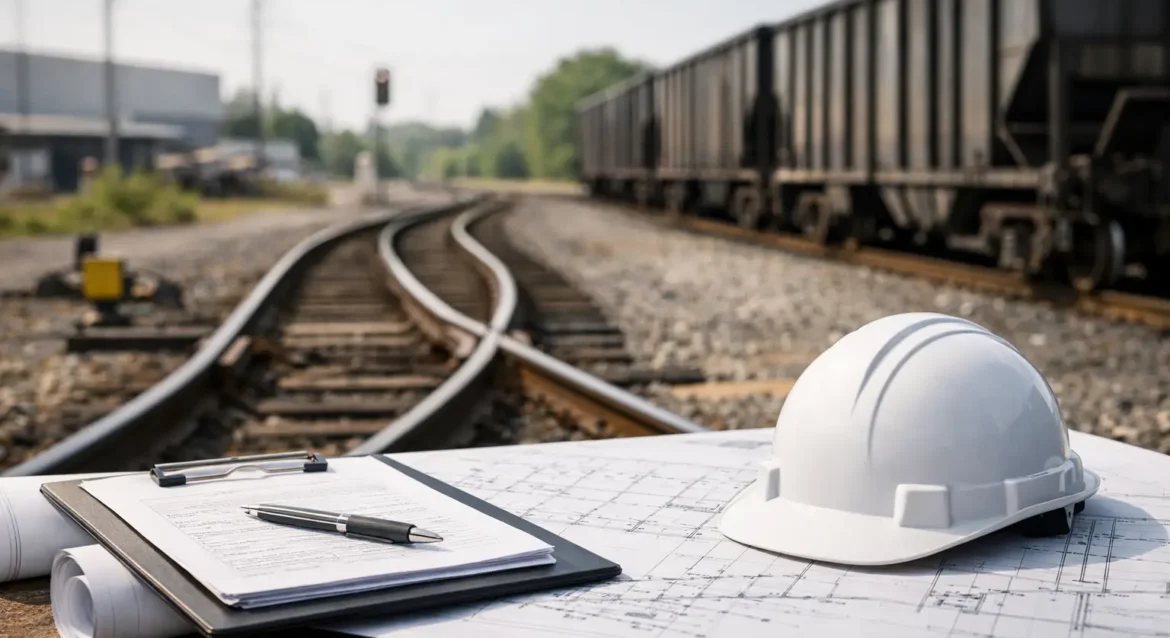
What Permits Does a Rail Spur Require?
A well-planned rail spur can reduce switching moves, loading times, and logistics costs. A poorly permitted one can be stuck for months in the administrative phase. That is why, when…
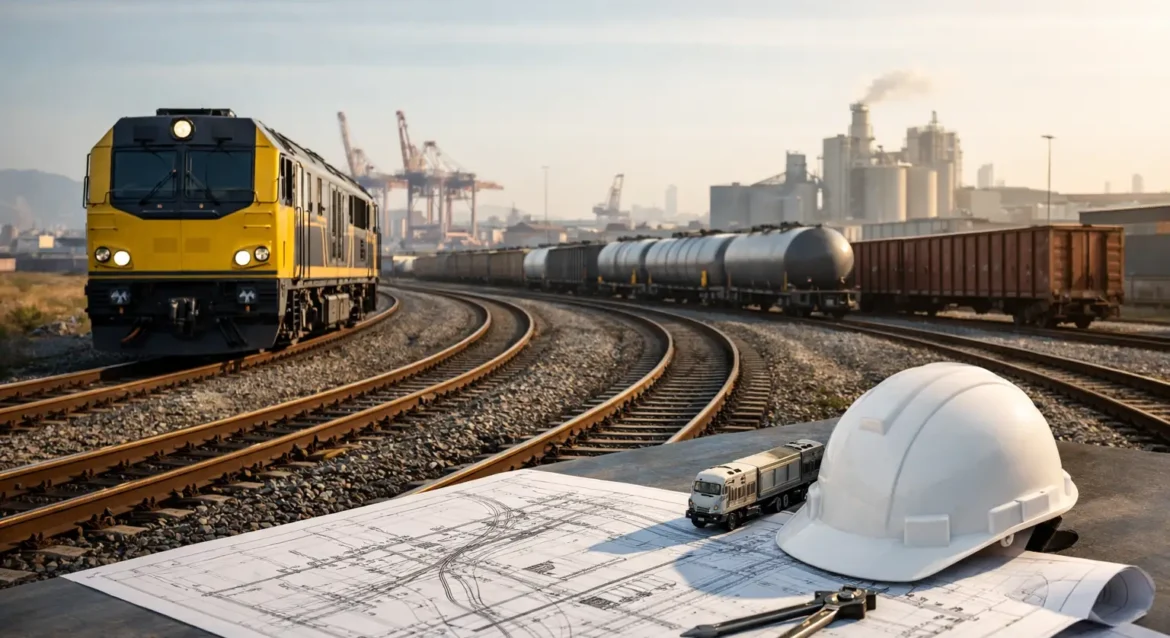
Industrial Railway Expansion Guide
When a plant starts missing loading windows, congesting yards, or relying on improvised switching moves, expansion stops being a desirable improvement and becomes an operational decision. This industrial railway expansion…
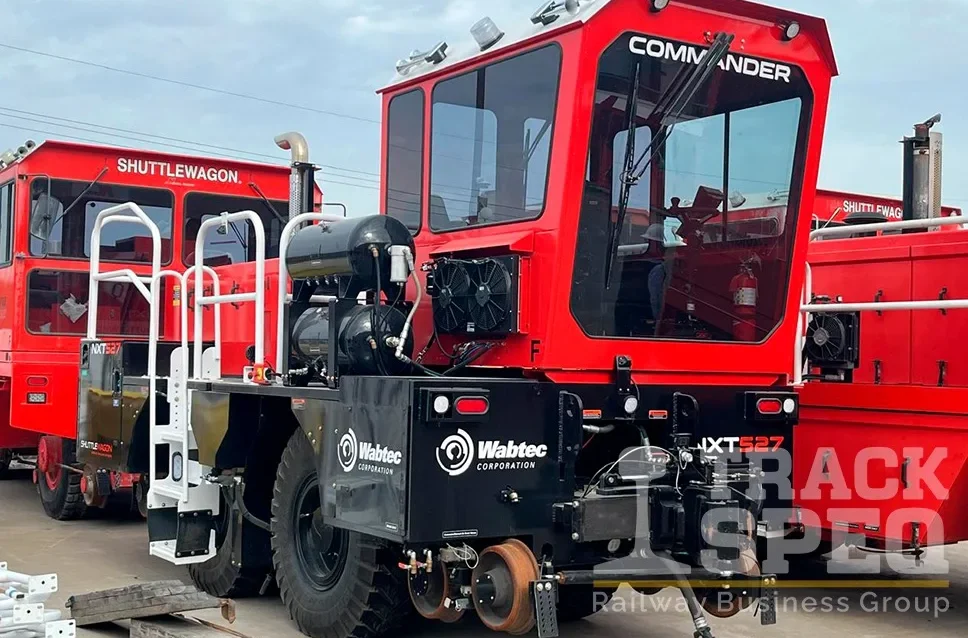
Specialized Shuttlewagon Technical Service
A Shuttlewagon that breaks down in the middle of a switching window is not just a maintenance problem. It is a direct interruption to freight flow, yard scheduling, and the…
