
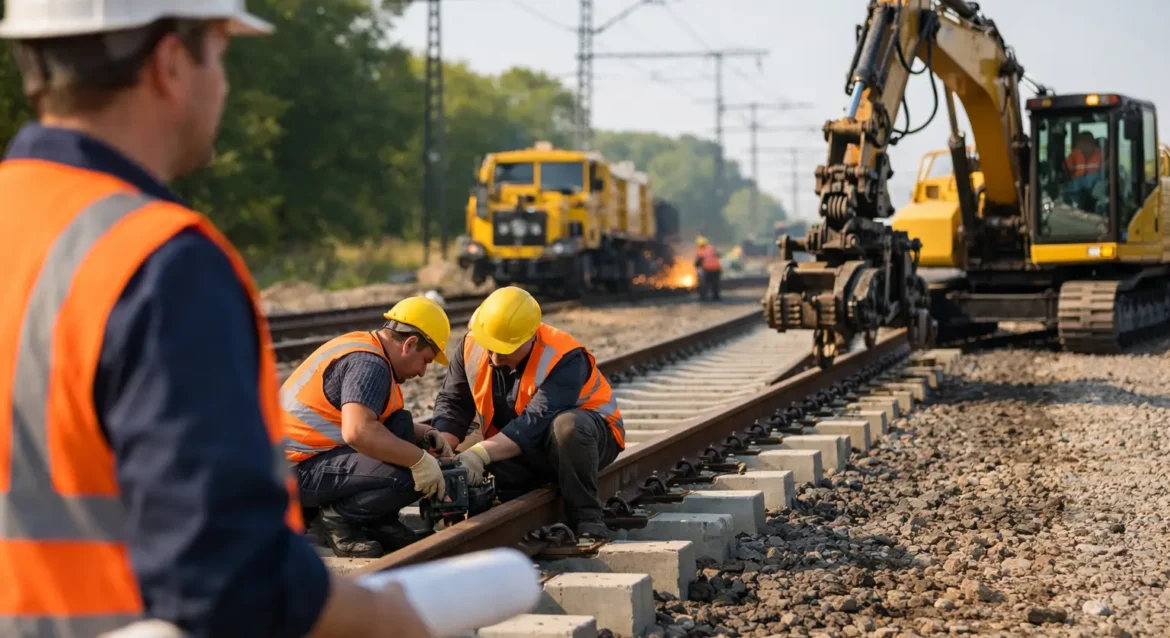
A track with speed restrictions, recurring minor derailments, accelerated wear or areas of settlement does not just generate maintenance costs: it compromises the shipping capacity of the entire terminal. Understanding…
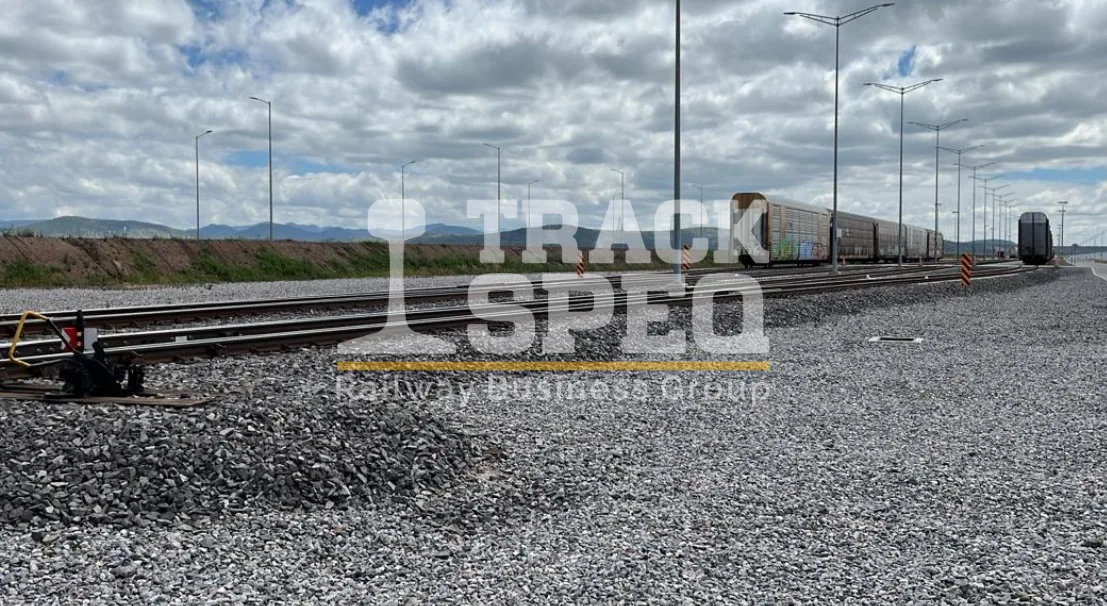
What Types of Material Are Used for Railway Track Ballast?
Ballast isn't just any stone: it's a structural component of the track Railway ballast is often described as the stone placed beneath and around the ties, but that definition falls…
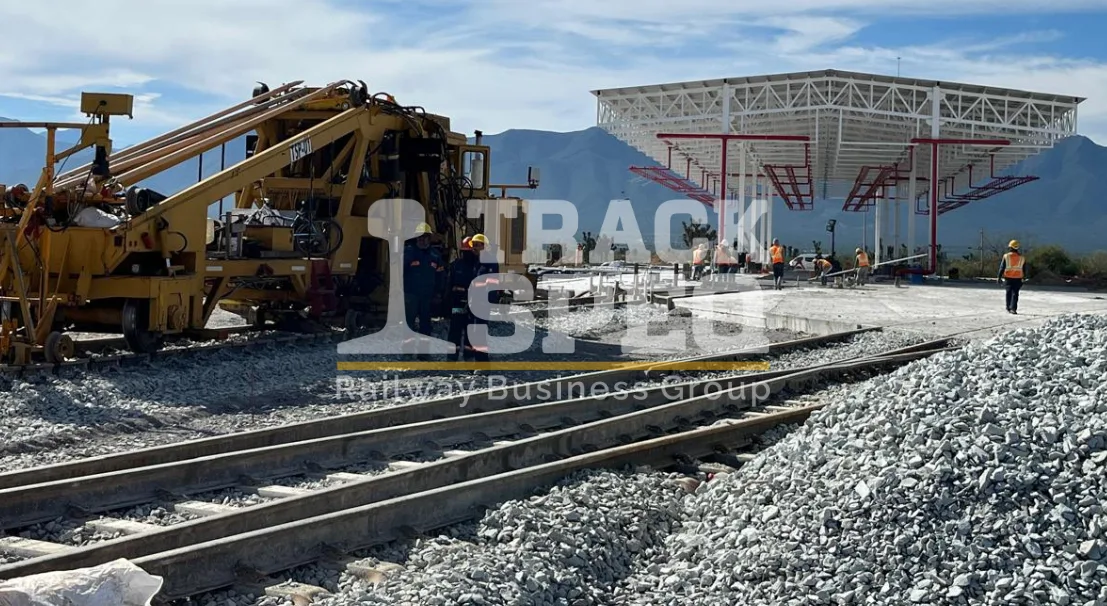
Where to Buy Railway Ballast in Mexico and How to Choose a Reliable Supplier
Buying railway ballast shouldn't be handled like a generic gravel purchase. Although the material seems simple, its performance determines track stability, maintenance frequency, switching safety and the total operating cost…
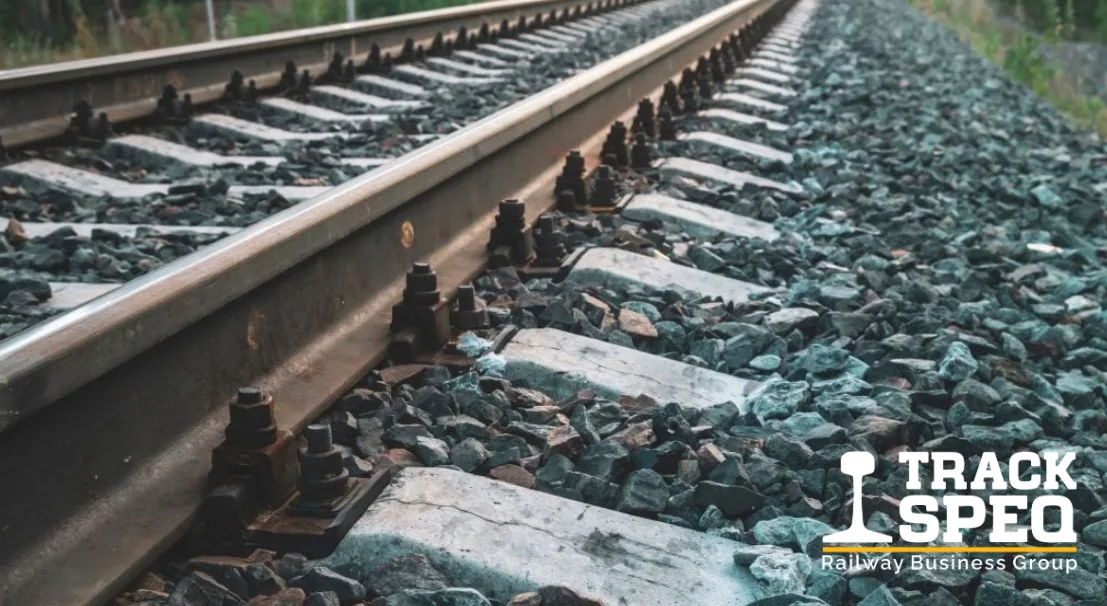
What Are the Best Railway Ballast Brands Available in Mexico?
What are the best railway ballast brands available in Mexico? The short answer: you don't buy brands, you qualify materials and suppliers When an industrial company asks what the best…

Railroad Ballast: What It Is, What It Does, and Why It Decides a Track’s Service Life
Ballast is the layer of crushed stone on which the ties of a railroad track rest. It spreads train loads into the ground, holds the track in place and lets…

Railroad Ties: What They Are, What Types Exist, and What Decides the Choice
Railroad ties are the cross members to which the rails are fastened. They keep the rails at the right spacing, receive wheel loads and transfer them to the ballast. They…

Railway Track Construction in Mexico
Learn about the requirements and processes necessary to carry out railway track construction in Mexico In other articles, we have already discussed topics such as the construction of the most…

Railroad Track Maintenance: What It Includes, How Often, and How It Is Organized at a Plant
Railroad track maintenance is the set of inspections and work that keep the track in safe operating condition: geometry, rails, ties, fastenings, ballast, drainage and special trackwork. At an industrial…
