
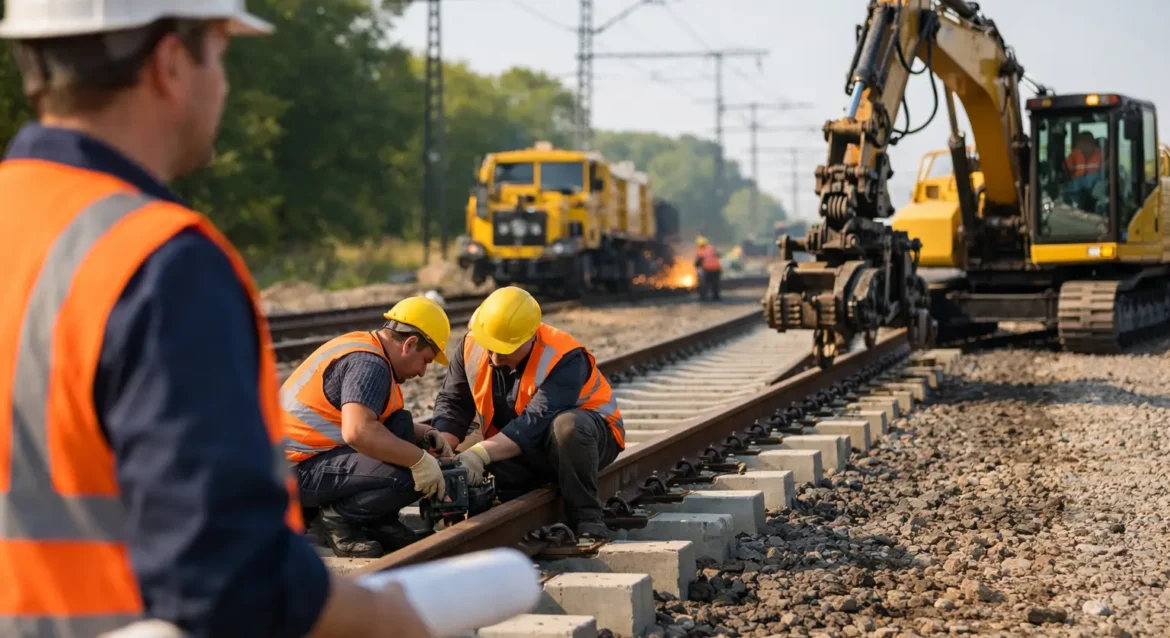
A track with speed restrictions, recurring minor derailments, accelerated wear or areas of settlement does not just generate maintenance costs: it compromises the shipping capacity of the entire terminal. Understanding…
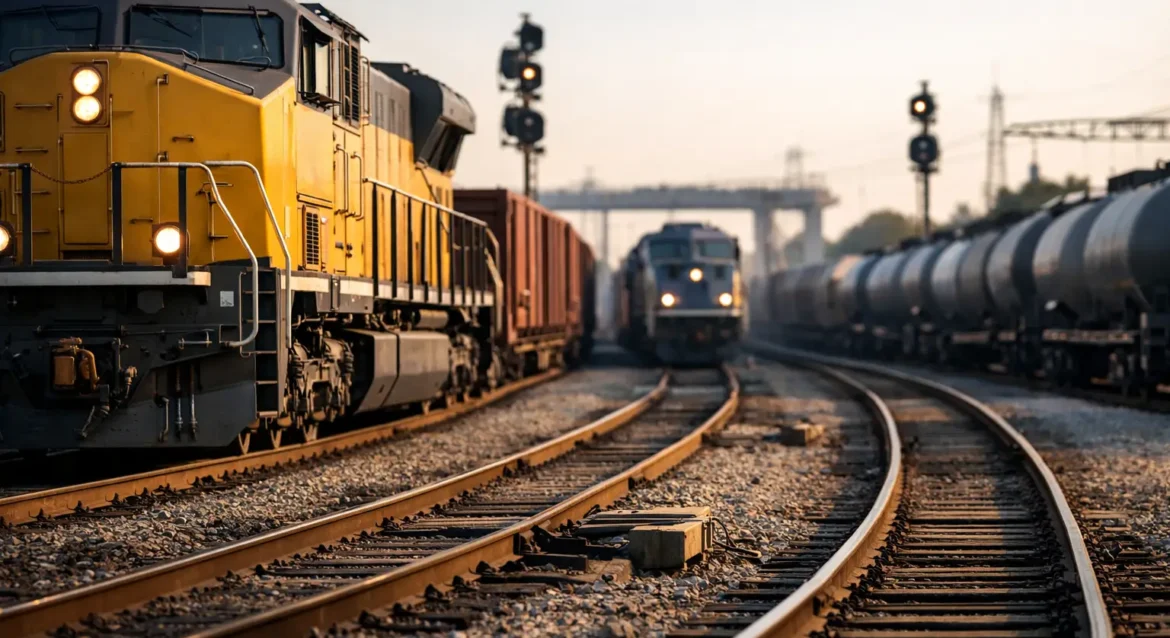
Guide to Rail Switching Yards
A poorly sized yard does more than slow down railcar movement: it can block shipments, increase waiting times, multiply switching moves, and compromise the safety of the entire terminal. This…

Railroad Ballast: What It Is, What It Does, and Why It Decides a Track’s Service Life
Ballast is the layer of crushed stone on which the ties of a railroad track rest. It spreads train loads into the ground, holds the track in place and lets…

Railroad Ties: What They Are, What Types Exist, and What Decides the Choice
Railroad ties are the cross members to which the rails are fastened. They keep the rails at the right spacing, receive wheel loads and transfer them to the ballast. They…

Railcar Movers in Mexico: Brands, Models and How to Get One
A railcar mover moves railcars inside a plant, yard or terminal without waiting for the concessionaire's locomotive. It runs on the rail with rubber tires and guide wheels, and most…

Types of Locomotives and How They Differ from a Yard Railcar Mover
Locomotives are classified by their traction —steam, diesel-electric, electric, diesel-hydraulic, and battery or hybrid— and by the service they provide: line-haul freight, passenger and yard switching. A railcar mover is…

Railroad Track Maintenance: What It Includes, How Often, and How It Is Organized at a Plant
Railroad track maintenance is the set of inspections and work that keep the track in safe operating condition: geometry, rails, ties, fastenings, ballast, drainage and special trackwork. At an industrial…
